
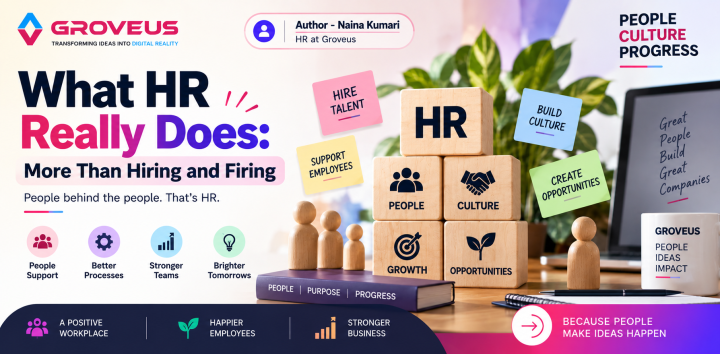
Discover what HR really does beyond hiring and firing, from onboarding and employee support to conflict management, recognition and workplace fairness.
HR Work Goes Beyond Just Hiring and Firing
When you hear the word “HR”, what do you think most employees immediately associate it with? Of all, the common ones are: Hiring, Policies, Attendance, Leave, Firing. These may be the visible parts, but are these the only parts where an HR has to work, or is it more than that? And what happens between these moments goes unnoticed at times.
Recruitment is Only the Beginning
HR work doesn’t stop just because someone is selected. There is much more to that that comes afterwards. There is a structured journey that requires completing the onboarding process, including paperwork, as well as making sure the new joinee understands the workplace. Communicating the expectations and the work culture plays an important role.
HR continuously monitors whether the new hire is adapting to the new work environment and ensures that they are well settled into their role. Supporting their development is a constant effort that many times goes unseen.
Hiring the Right Person Is Only the First Step to Their Success
More than managing people, HR work involves understanding people. An organization involves people with different personalities, making sure that all of them work mutually is an uphill battle.
Employees have concerns, expectations, ambitions, problems and most importantly emotions. This is where the HUMAN side of Human Resource plays a crucial part. Dealing with each of them requires a different approach each time. Rather than being personally involved, HR has to remain professional and fair.
Recognizing good work of employees and keeping them motivated is a constant process that requires keeping track of their contributions. Employee recognition not only builds a supportive environment but also reduces staff turnover.
HR’s Role in Balancing Employee Needs with Organisational Goals
Employees have their requests, expectations, needs whereas organizations have their own policies, goals, deadlines and responsibilities. HR acts as a vital bridge between the two. At times they have to look for fair and practical solutions rather than taking sides. Decisions need to be made that may not make everyone happy but are fair, consistent and balances the organizational goals with the well being of its employees.
To create an environment that not only supports employees but encourages communication, feedback and teamwork is important. In an organisation HR often deals with conflicts, poor performance, policy violation and has to communicate clear policies to avoid any confusion or miscommunications. Some decisions are made that every employee may not like but HR’s job is not to make everyone happy but to ensure fairness.
What HR Is Actually About?
HR is about connecting people and the organization. Hiring, attendance and leave are only one visible part of the role but the bigger responsibility is understanding employees, ensuring a fair and supportive work environment. They may not have the easiest job considering they have to make difficult or unpopular decisions.
The more we understand the human side of HR, the more we understand why the role goes far beyond hiring and firing.
Comments 0